GRC Summit Logo

LUXEMBOURG GRC Summit 2026

Luxembourg GRC Summit 2026

LUXEMBOURG GRC SUMMIT 2026, powered by NC3

Navigating Cyber Governance in the Age of AI

Thank you for participating this year

See you on 9-10 June 2027!

Who should attend

Governance, Risk, and Compliance (GRC) professionals, practitioners, and decision-makers in cybersecurity willing to engage in knowledge sharing, discuss emerging threats, and explore innovative practices and technologies within the GRC domain.

Key Themes

Evolving cyber governance in the age of AI: addressing how policy, regulation, and oversight must evolve to keep pace with rapidly developing AI technologies

Exploring the opportunities and confronting the challenges of Sovereign AI and the development of European Data Spaces, including implications for innovation, competitiveness, and data governance.

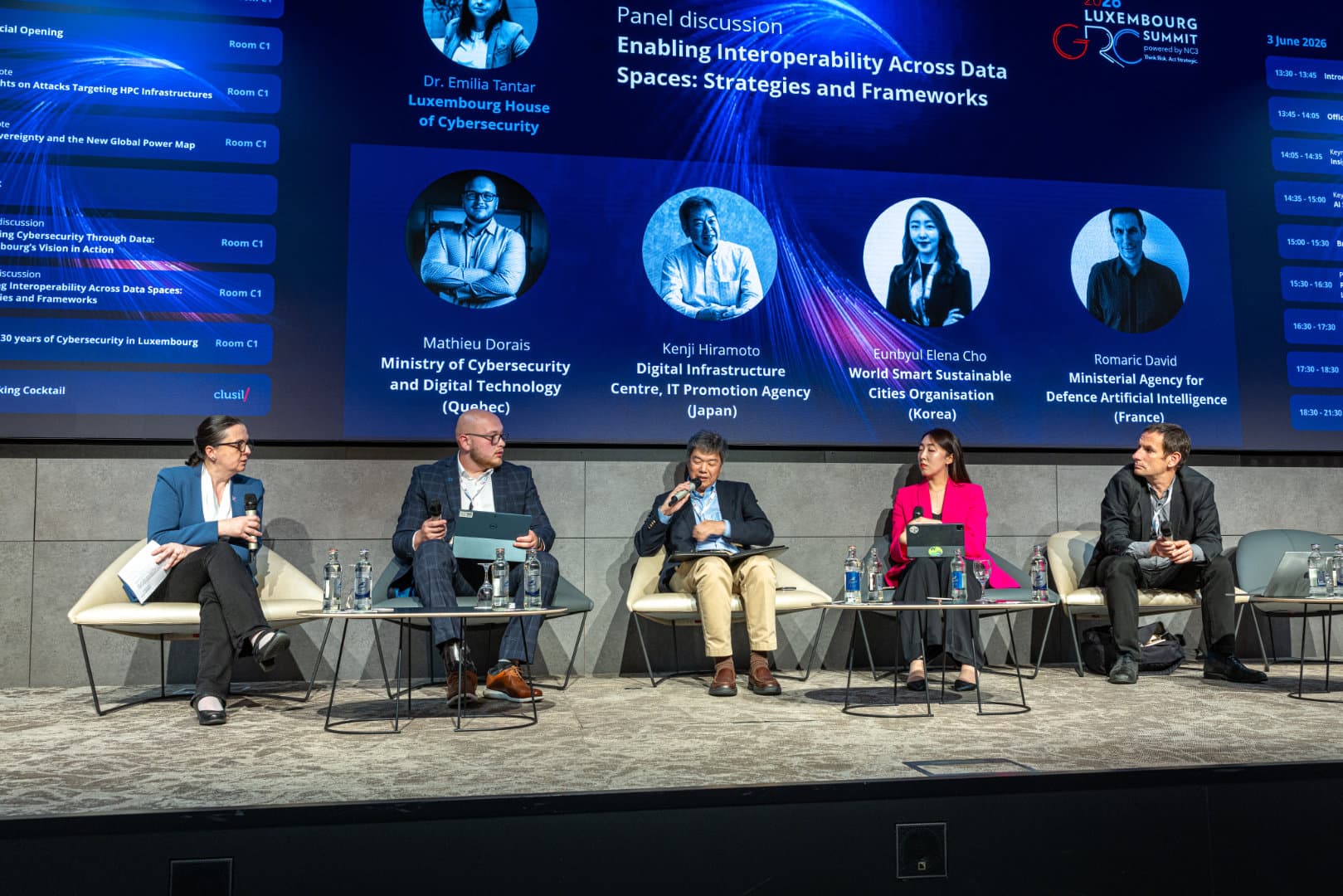
Fostering interoperability and building trust across Europe’s diverse data ecosystems, ensuring that data can flow securely and effectively between organizations, sectors, and borders.

Leveraging open-source for digital sovereignty and cyber resilience.

Assessing the risks and preparing for a smooth transition to post-quantum cryptography (PQC).

Strengthening Europe’s cybersecurity capacity and competence building.

How Should Cyber Governance Evolve in The Age of AI?

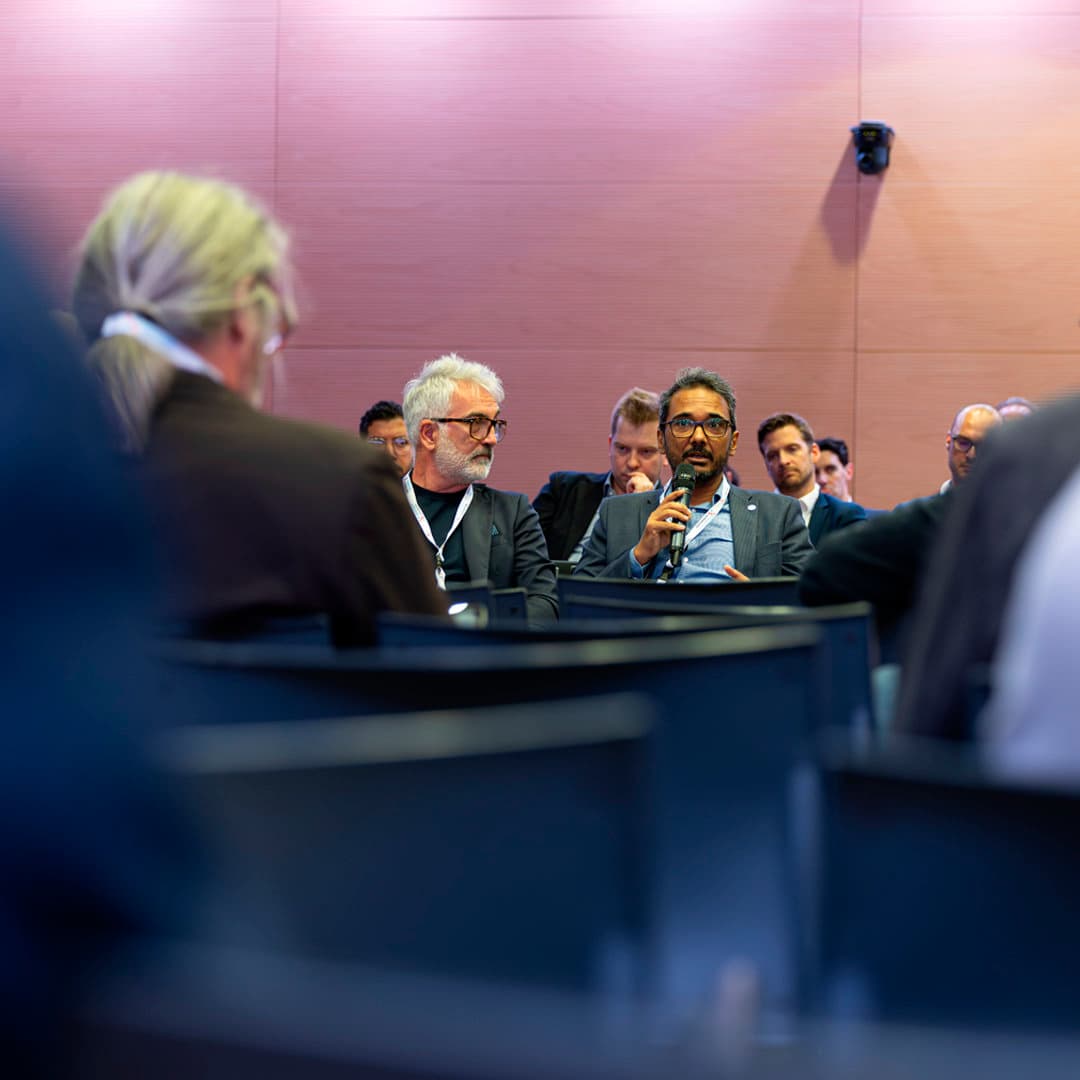
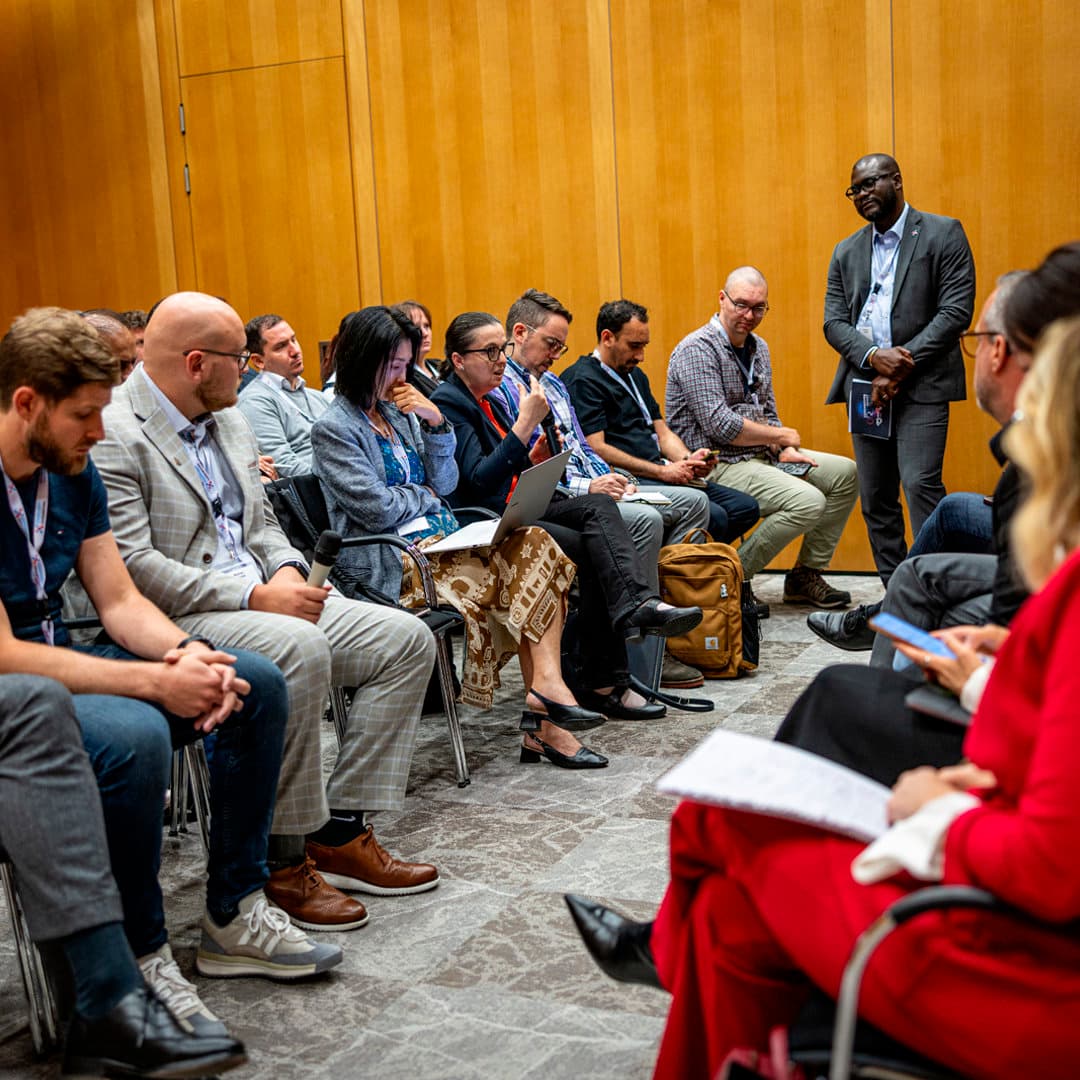
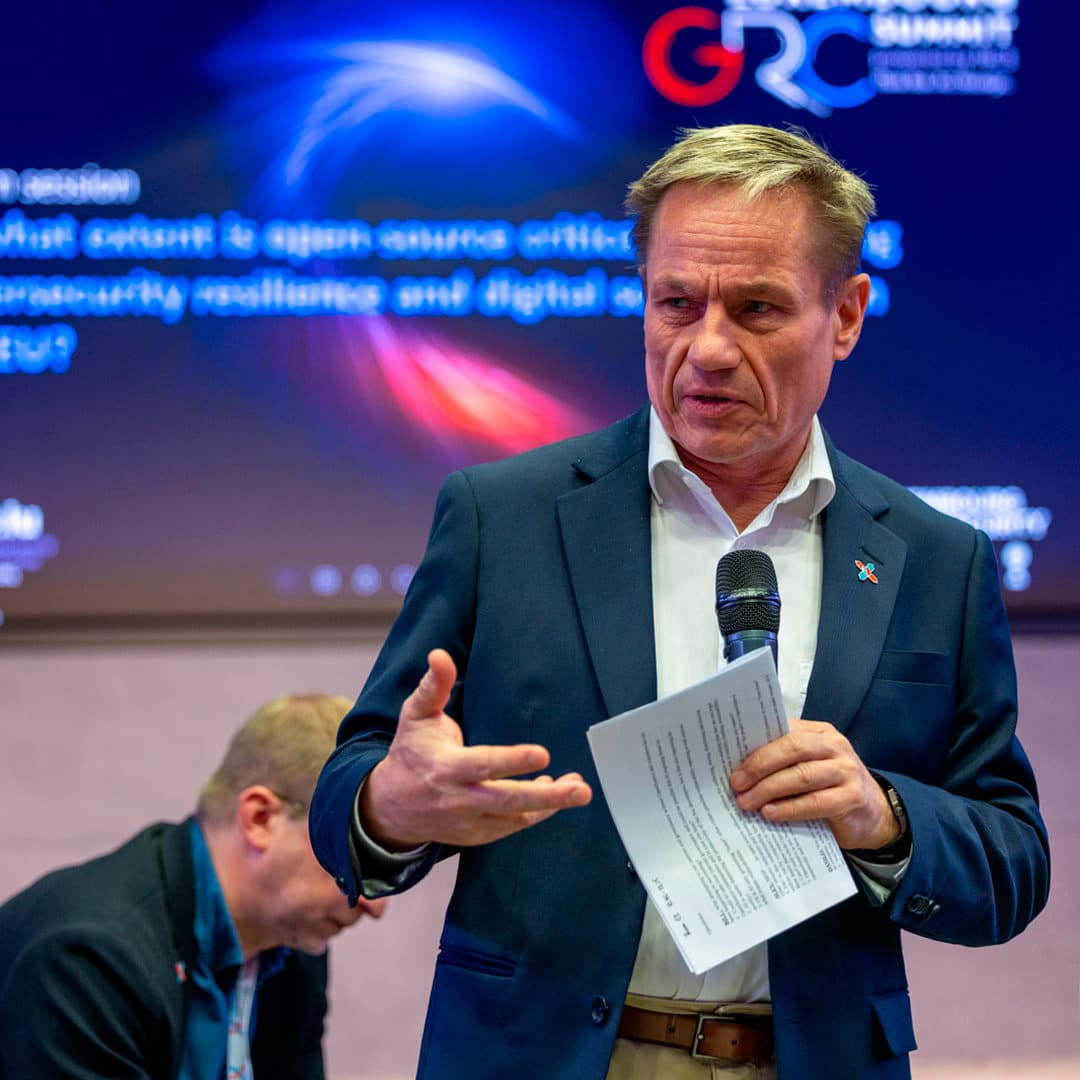
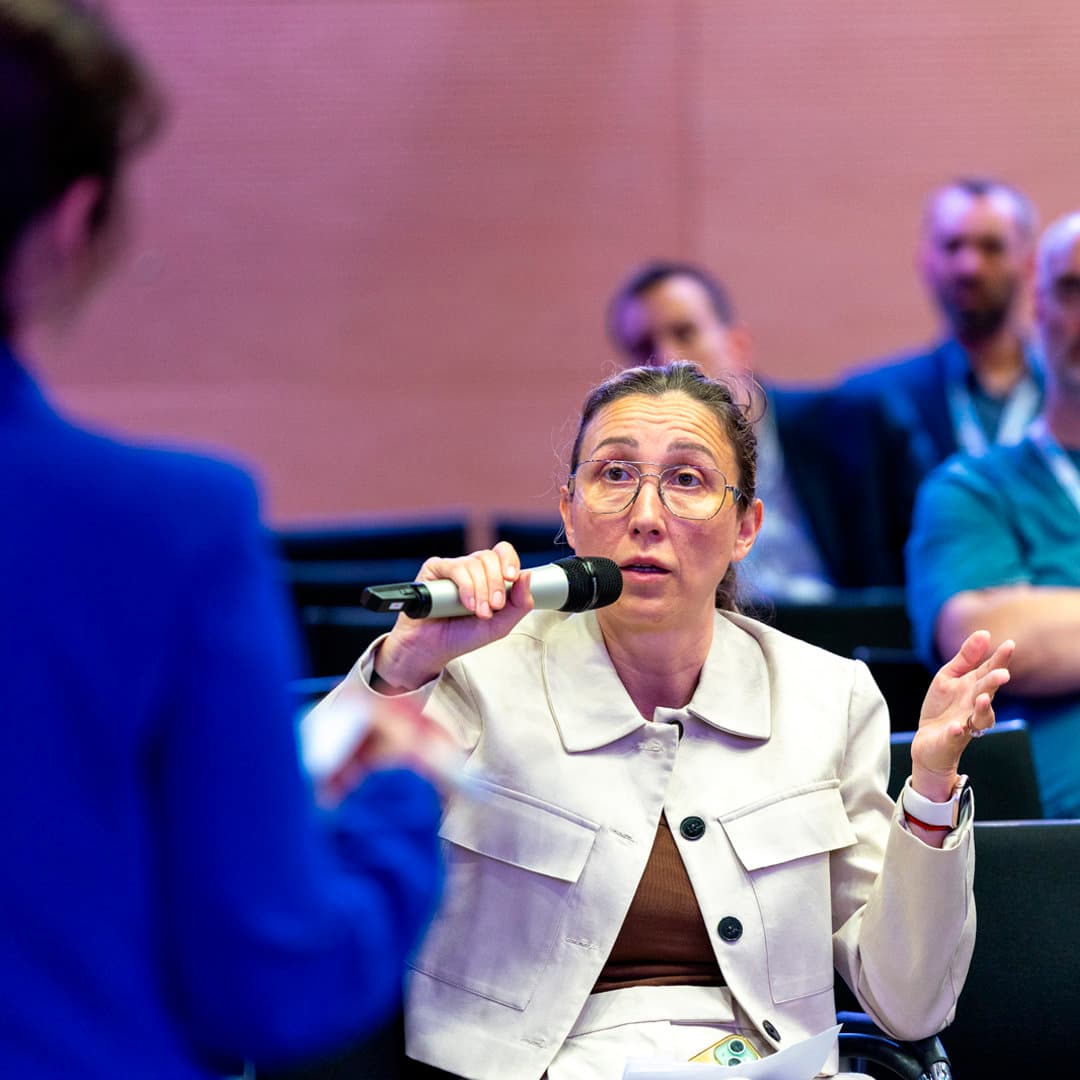
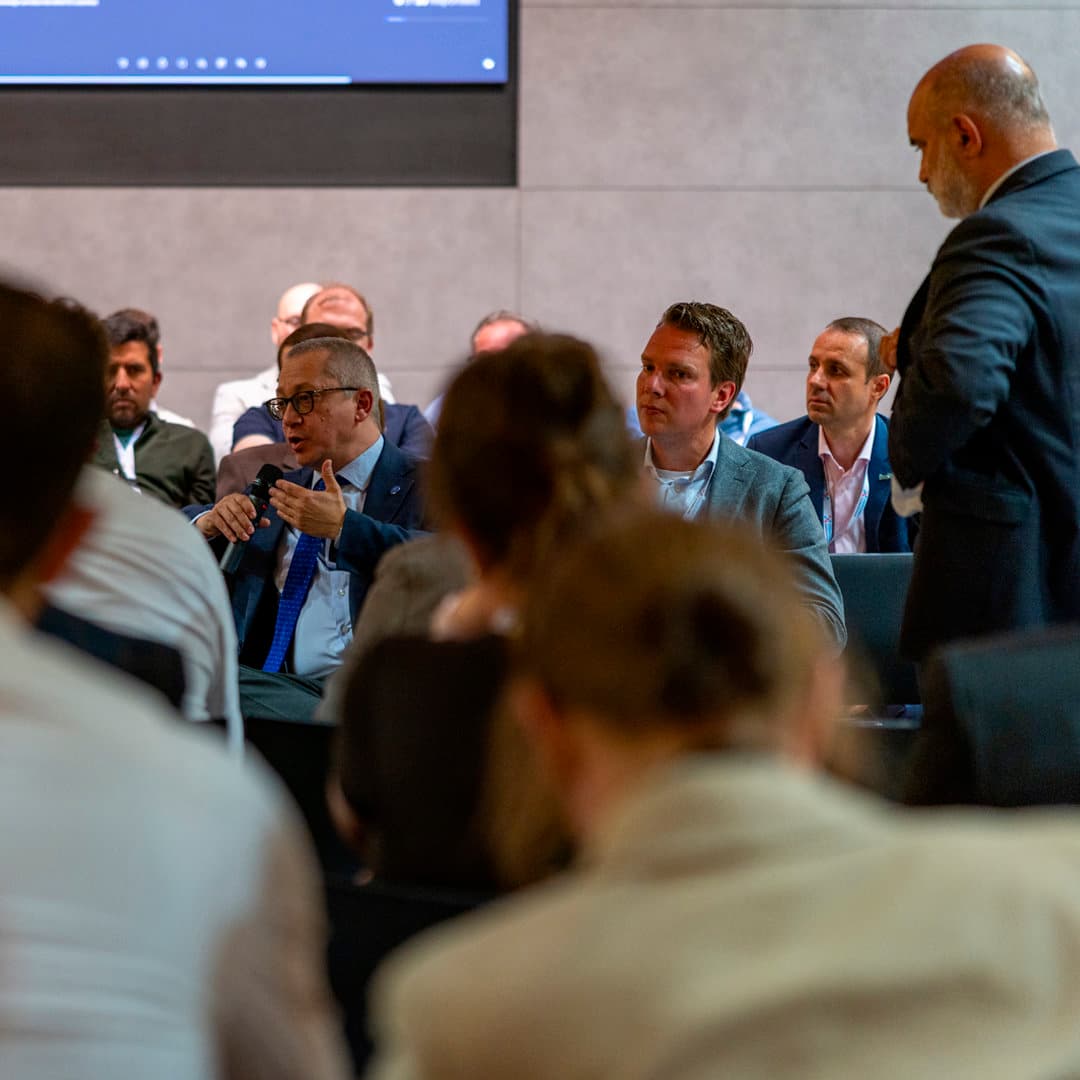
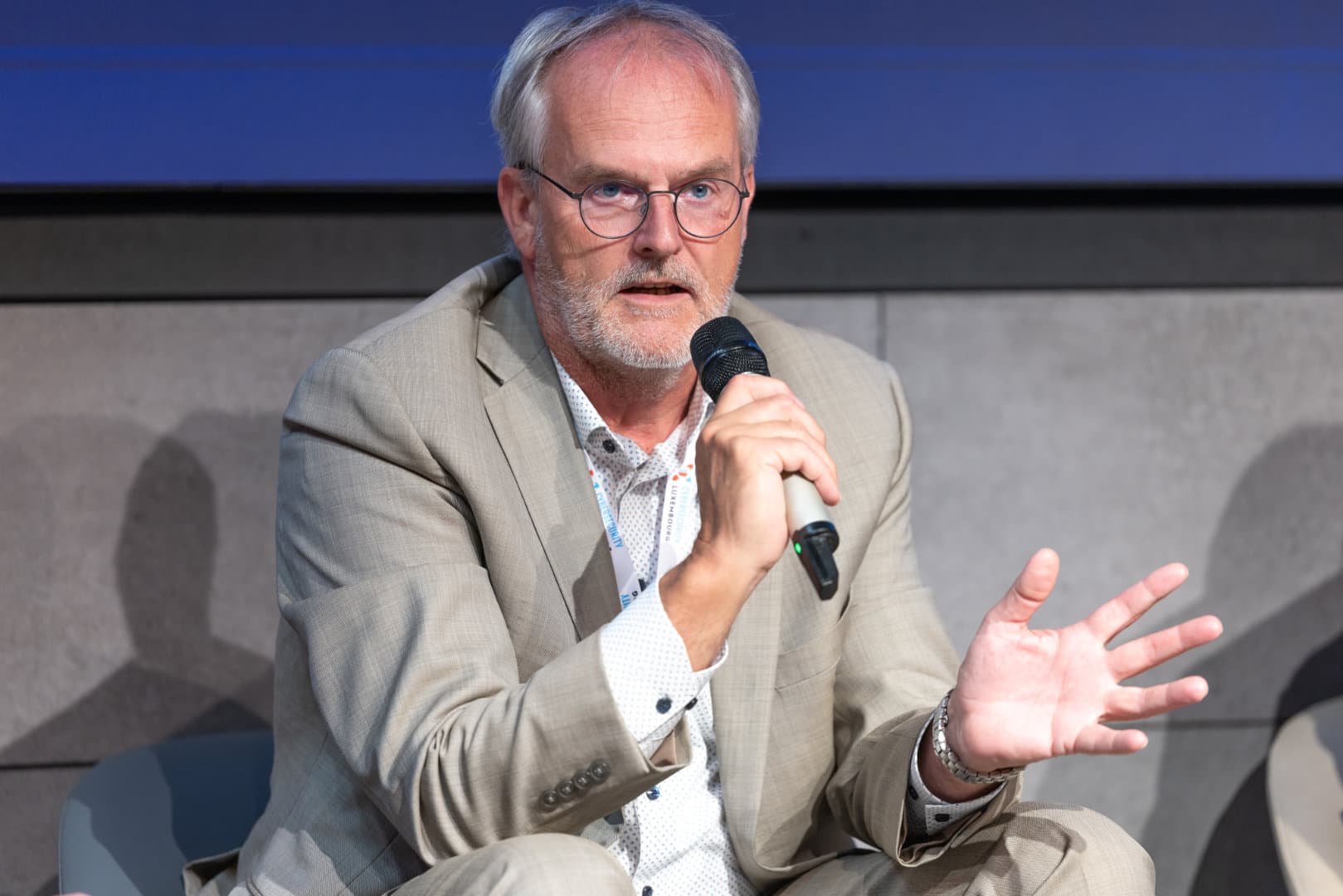
The second edition of the Luxembourg GRC Summit, held on 3-4 June 2026, brought together cybersecurity governance, risk and compliance (GRC) professionals, practitioners and decision-makers to exchange knowledge and explore emerging challenges. Its interactive forum sessions provided a space for participants to share experiences, discuss different perspectives and identify practical responses. This outcome paper presents the insights and recommendations from the session “How should cyber governance evolve in the age of AI?”


AI challenges governance approaches build around relatively predictable systems and one-off assessments. As models, data, dependencies and operating environments evolve, organisations must continuously reassess risk and the conditions under which AI can be trusted. Increasing agency and autonomy complicates accountability, while AI’s ability to infer and combine information introduces additional privacy risks. These developments, alongside evolving EU regulatory requirements, call for closer integration of organizational and product risk management, data governance and cybersecurity. 


This report identifies continuous governance, evidence-based trust and meaningful human oversight as central priorities. It recommends ongoing monitoring, clear accountability, limits on AI agents’ permissions and autonomy, and oversight of third-party dependencies. Putting these measure into practice requires connecting regulatory requirements with operational controls, providing practical tools and guidance for SMEs, and strengthening AI literacy and professional skills while preserving human expertise.
Is the PQC Transition a Critical Step For Resilience, or Does it Stir More Concern Than Actual Danger?

This outcome paper presents the insights and recommendations from the Luxembourg GRC Summit 2026 forum session “Is the PQC transition a critical step for resilience, or does it stir more concern than actual danger?”


Post-quantum cryptography (PQC) raises complex planning challenges for organisations. While the timeline for quantum threats remains uncertain, PQC migration will take years and require coordination and investment. Scenarios such as “harvest now, decrypt later” already create exposure for data requiring long-term confidentiality. Organisations must therefore follow a risk-based, prioritised approach to build their PQC roadmap, while avoiding both complacency and an emergency approach to migration. Beyond a cryptographic upgrade, the PQC transition represents a broader business resilience and change management effort.


While awareness of quantum threats already exists, the paper identifies readiness and concrete action as the main gap, while recommending a staged, risk-based transition. Practical priorities namely include building a cryptographic inventory, identifying sensitive data and critical systems and assessing supplier readiness. Progress also requires management engagement, updated procurement and security policies, and crypto-agility in new systems. Aligning these concrete actions with regulatory milestones and business priorities can help organisations reduce uncertainty and make informed decisions to turn awareness into a practical PQC migration roadmap.


How Can Cybersecurity Capacity and Competence Building in Europe be Improved or Accelerated?

Drawing on the forum on cybersecurity capacity and competence building held during the second edition of the Luxembourg GRC Summit on 3.4 June 2026, , this outome paper examines how Europe can connect its existing expertise, research, companies and public investment to strengthen its cybersecurity ecosystem. Participants identified market fragmentation, barriers to public procurement, limited growth capital and gaps between research and commercial adoption as obstacles to scaling European capabilities.


The discussions highlighted the need to stimulate demand through cybersecurity awareness and shared responsibility, improve access to funding and strengthen cooperation across borders and between academia and industry. Developing skills must also go hand in hand with creating conditions that retain talent and growing companies in Europe. The paper concludes with recommendations for translating existing strengths into accessible solutions, competitive providers and lasting European cybersecurity sovereignty.
To What Extent is Open Source Critical for Achieving Cybersecurity Resilience and Digital Strategic Autonomy in the EU?

Drawing on the forum on open source held during the second edition of the Luxembourg GRC Summit on 3–4 June 2026, this outcome paper examines how open source can strengthen cybersecurity resilience and digital strategic autonomy in the European Union. Participants explored its role in helping organisations understand, maintain and adapt critical technologies, build internal expertise and reduce dependency on individual providers.


The discussions highlighted the need for sustainable funding, long-term support for maintainers and communities, and proportionate trust mechanisms that do not create unnecessary barriers for smaller actors. Open standards and interoperability were also identified as essential, alongside governance that preserves open collaboration as AI-driven automation places new pressures on contributors and review processes. The paper concludes with recommendations for supporting open source as a lasting strategic capability through investment in people, sustainable business models and trusted digital infrastructure.

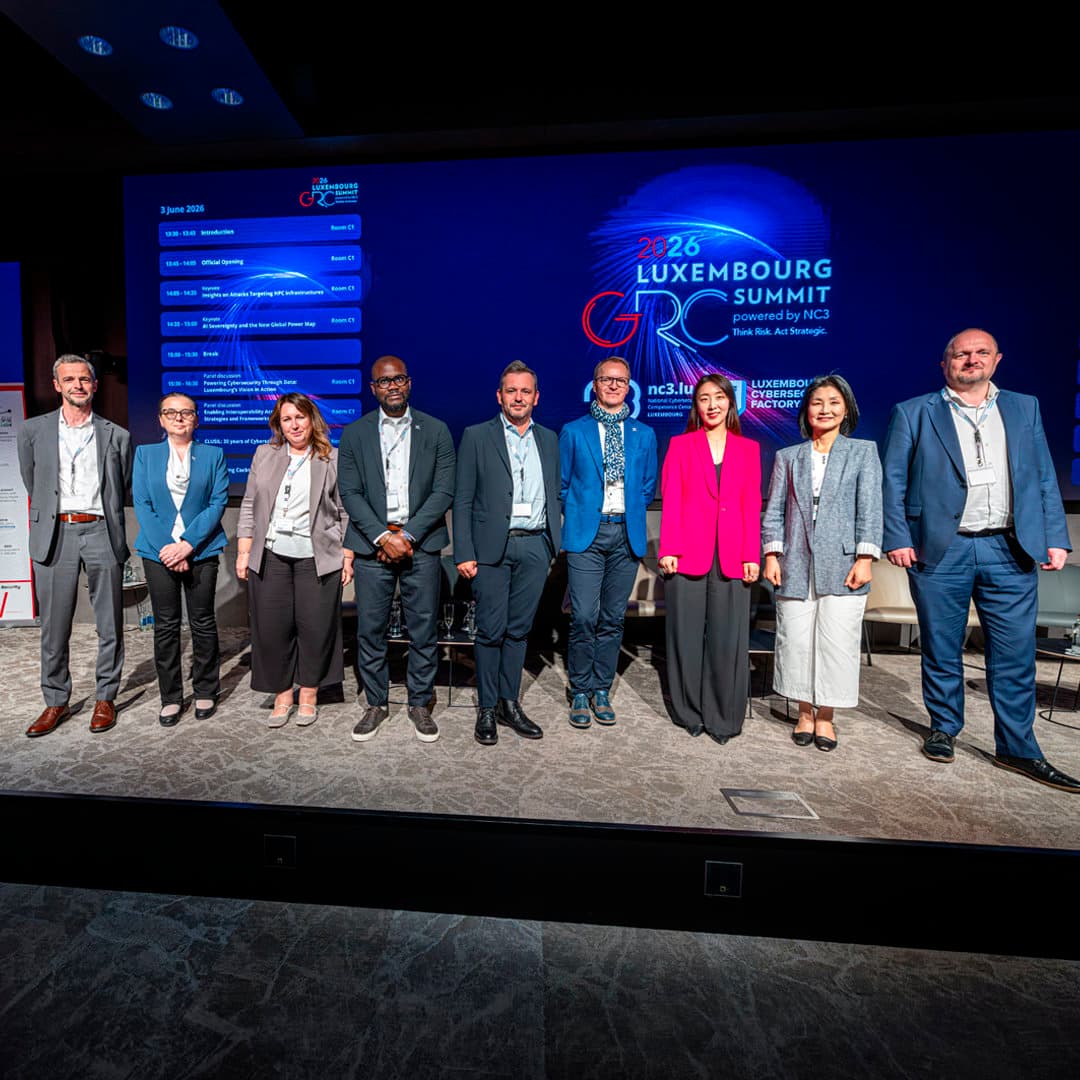
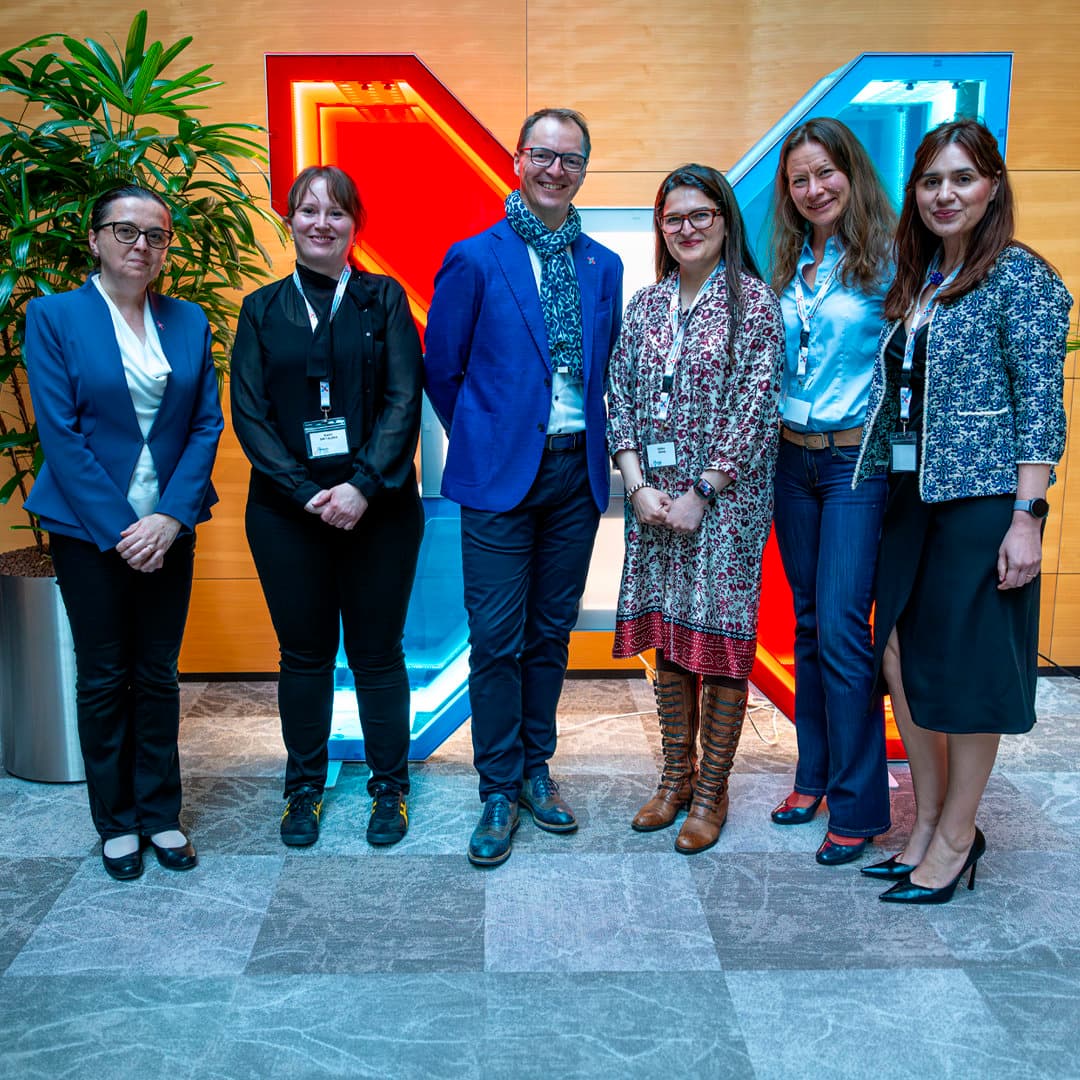
Photo Gallery